What Are Fire Strips for Doors?
Fire strips for doors are heat-reactive seals fitted into a fire door or door frame. The strip contains intumescent material. This material expands when exposed to high heat.
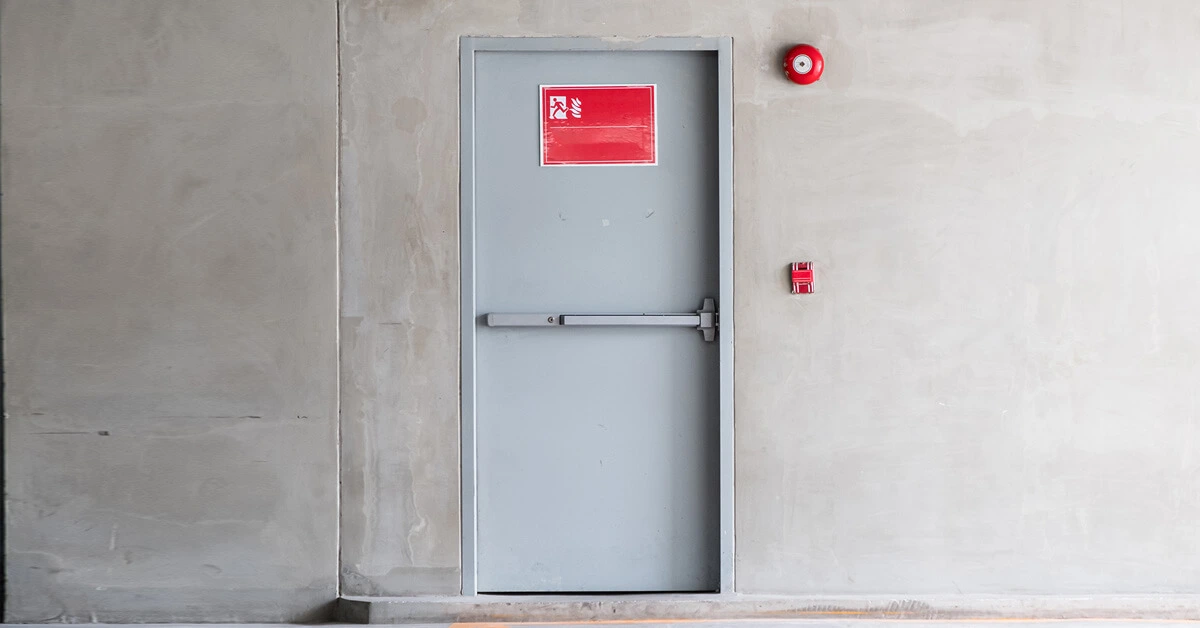
A fire door needs small gaps around its edge so it can open and close. During a fire, those same gaps can allow flames, smoke and hot gases to move through the doorway. Fire strips expand into those gaps and help the fire door hold back fire for its tested rating.
- Intumescent strips seal door gaps during a fire.
- Fire door strips support fire-rated door assemblies.
- Smoke seals reduce smoke movement before heat activates the strip.
- Combined fire and smoke seals provide both functions in one product.
How Do Fire Strips for Doors Work?
Fire strips work by expanding when fire heat reaches the intumescent core. The expanded material fills the gap between the door and frame.
- Heat reaches the fire strip through the edge gap around the door.
- The intumescent core expands and increases in volume.
- The expanded seal blocks the gap and slows the movement of flames and hot gases.
The door leaf, frame, hinges, closer, latch and seals must all work together. A fire strip alone does not turn a normal internal door into a fire-rated door.
Why Do Fire Doors Need Intumescent Strips?
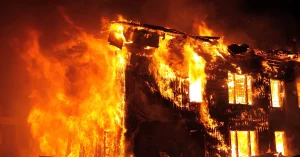
Fire doors need intumescent strips because fire can pass through unsealed gaps around the door. The strip helps maintain fire compartmentation and protects escape routes.
In a building fire, a fire door gives people more time to leave safely. It also helps reduce fire spread between rooms, corridors, stairwells and shared spaces.
- Restricts flame spread through the door perimeter.
- Reduces hot gas movement around the door edge.
- Supports fire door ratings such as FD30 and FD60.
- Protects escape routes in flats, offices and public buildings.
How Fire Protection Direct Can Help
Fire Protection Direct supplies a wide range of passive fire protection and fire stopping products, including fire rated sealants, fire batts, pipe collars, pipe wraps, fire stopping compound, fire sleeves and cavity barriers.
Whether you need to seal a small service penetration or specify products for a larger project, our team can help you find suitable fire stopping products for the application.
Are Fire Strips the Same as Smoke Seals?
Fire strips and smoke seals are different, but many fire door seals combine both functions. A fire strip reacts to heat. A smoke seal works before heat reaches the door.
| Seal Type | Main Function | When It Works | Common Use |
|---|---|---|---|
| Intumescent fire strip | Blocks flames and hot gases | During high heat | Fire-rated door edges |
| Smoke seal | Reduces cold smoke leakage | Before direct fire exposure | Escape routes and corridors |
| Combined fire and smoke seal | Blocks fire and reduces smoke | Before and during fire exposure | Flat doors, offices and shared areas |
Cold smoke can move quickly through a building. For that reason, many fire doors in escape routes use combined intumescent strips and smoke seals.
Where Are Fire Strips Fitted on a Door?
Fire strips are usually fitted along the top and vertical edges of the door leaf or into the door frame. The correct position depends on the tested fire door specification.
- Fits along the hinge side to seal the vertical gap.
- Fits along the latch side to protect the closing edge.
- Fits along the top edge to seal the frame head.
- Fits between double doors where two door leaves meet.
- Fits around fire-rated glazing when the glazing system requires it.
The bottom of the door may need a threshold smoke seal or automatic drop seal when smoke control is required.
Which Size Fire Strip Do You Need?
The right fire strip size depends on the fire door rating, door construction and manufacturer’s evidence. Common strip widths include 10mm, 15mm, 20mm and 25mm.
| Door Rating | Common Fire Strip Width | Typical Building Use |
|---|---|---|
| FD30 | 10mm or 15mm | Homes, flats, offices and internal fire doors |
| FD60 | 15mm or 20mm | Commercial areas, corridors and plant rooms |
| FD90 | 20mm or 25mm | Higher-risk fire compartments |
| FD120 | Specialist tested seal system | High-risk separation areas |
These sizes are common examples, not a universal rule. Always follow the door certificate, manufacturer instructions or fire risk assessment.
Can You Add Fire Strips to an Existing Door?
You can add fire strips to an existing certified fire door when the door can accept the correct tested seal. You cannot make a standard door fire-rated by adding strips alone.
Before you fit fire strips, check the door rating, frame condition, gap size and required seal type. Poor fitting can reduce fire performance.
- Check the door label to confirm the fire rating.
- Inspect the frame for damage, movement or poor fixing.
- Measure the edge gaps before choosing the seal.
- Match the seal size to the tested fire door specification.
- Avoid cutting too deeply into the door edge.
What Gap Should a Fire Door Have?
A fire door needs controlled gaps so the door can close and the seals can work. Many inspections use an approximate 3mm target gap around the top and sides.
The final acceptable gap depends on the door manufacturer’s evidence and local fire safety requirements. A gap that is too wide can allow smoke and fire to pass before the strip expands.
- Measure the top gap between the door and frame head.
- Measure the hinge-side gap from top to bottom.
- Measure the latch-side gap near the closing edge.
- Check the threshold gap where smoke control matters.
Do Fire Strips Need Brush Seals?
Fire strips need brush seals when the door must reduce smoke leakage. A brush seal closes small gaps before the fire heat activates the intumescent strip.
Fire Protection Direct supplies combined fire and smoke seals for doors that protect corridors, stairwells, flat entrances and shared escape routes.
- Use brush seals for smoke-control doors.
- Use combined seals when fire and smoke protection are both required.
- Use drop-down seals where smoke can pass under the door.
How Do You Choose the Right Fire Strips for Doors?
Choose fire strips by matching the product to the door rating, smoke requirement, fitting position and certification. The full fire door assembly must support the selected seal.
- Identify the fire door rating, such as FD30 or FD60.
- Check whether smoke control is required for the door location.
- Measure the routed groove or frame rebate.
- Select the correct width and depth for the strip.
- Choose a tested fire door seal from a trusted supplier.
- Fit the seal correctly without gaps, twisting or damage.
Fire Protection Direct helps customers find practical fire safety products for domestic, commercial and managed properties.
How Fire Protection Direct Can Help
Fire Protection Direct supplies a wide range of passive fire protection and fire stopping products, including fire rated sealants, fire batts, pipe collars, pipe wraps, fire stopping compound, fire sleeves and cavity barriers.
Whether you need to seal a small service penetration or specify products for a larger project, our team can help you find suitable fire stopping products for the application.
How Are Fire Strips Installed?
Fire strips are usually fitted into a routed groove in the door edge or frame. The strip should sit flush, straight and continuous along the required edges.
- Mark the seal position on the door edge or frame.
- Route the correct groove size for the chosen strip.
- Clear dust from the groove before fitting.
- Press the strip into place without bending or crushing it.
- Cut corners neatly so the seal remains continuous.
- Test the door closing action after installation.
Do not paint over brush or fin smoke seals. Paint can stop the seal working properly.
When Should Fire Strips Be Replaced?
Fire strips should be replaced when they are damaged, loose, missing, painted over or incorrectly sized. A damaged strip may not seal the door gap during a fire.
| Problem | Why It Matters | Best Action |
|---|---|---|
| Missing fire strip | Fire can pass through the open gap | Replace with the correct tested strip |
| Painted brush seal | Smoke seal may lose flexibility | Replace the affected seal |
| Loose strip | Seal may move out of position | Refit or replace the strip |
| Wrong strip size | Expansion may not fill the door gap | Match the fire door specification |
Are Self-Adhesive Fire Strips Suitable?
Self-adhesive fire strips can suit some retrofit jobs, but many certified fire doors need rebated strips fitted into grooves. The door specification should decide the fitting method.
Self-adhesive strips are quick to fit, but they need a clean and stable surface. They must not stop the fire door from closing correctly.
Common Places That Need Fire Strips for Doors
Fire strips are used where a door forms part of a fire-rated barrier. The requirement depends on the building type, fire strategy and local rules.
- Flat entrance doors protect shared corridors.
- Office corridor doors protect escape routes.
- Stairwell doors protect protected routes.
- Plant room doors separate higher-risk areas.
- Garage-to-house doors reduce fire spread into homes.
- Care home doors support phased evacuation plans.
- School doors help manage compartmentation.
Fire Strips for Doors: Frequently Asked Questions
What are fire strips for doors?
Fire strips for doors are intumescent seals that expand during a fire. They seal gaps around a fire door and help block flames, smoke and hot gases.
Do all fire doors need fire strips?
Most fire doors need fire strips, but the correct seal depends on the door rating, manufacturer evidence and building fire safety requirements.
Can fire strips stop smoke?
Fire strips alone do not fully stop cold smoke. Combined fire and smoke seals reduce smoke leakage before the intumescent strip expands.
Can you fit fire strips yourself?
You can fit fire strips yourself when the door specification allows it and you can install them correctly. Regulated properties should use a competent installer.
Do fire strips make a normal door fire-rated?
Fire strips do not make a normal door fire-rated. The door leaf, frame, seals, hinges, closer and hardware must form a tested fire door assembly.
Why Choose Fire Protection Direct for Fire Door Seals?
Fire Protection Direct supplies practical fire safety products for people who need clear options and dependable protection. Our range supports homes, rental properties, offices, commercial sites and facilities teams.
- Supplies fire door seals for common fire door applications.
- Supports property safety with essential fire protection products.
- Helps customers choose suitable fire safety equipment.
- Serves domestic and commercial buyers across fire safety categories.
Choose the fire strip that matches your door rating, gap size and smoke-control requirement. When the door protects an escape route or regulated area, check the fire door certificate before fitting.
How Fire Protection Direct Can Help
Fire Protection Direct supplies a wide range of passive fire protection and fire stopping products, including fire rated sealants, fire batts, pipe collars, pipe wraps, fire stopping compound, fire sleeves and cavity barriers.
Whether you need to seal a small service penetration or specify products for a larger project, our team can help you find suitable fire stopping products for the application.
[End of Article]