Knowledge Hub
Compartmentation Guide
Fire Compartmentation Explained: A UK Guide
Fire compartmentation divides a building into fire-resisting areas so that fire and smoke are less able to spread unchecked. The effectiveness of a compartment depends on the complete boundary, including walls, floors, doors, cavities and service penetrations.
Use this guide as a practical introduction, then check the relevant tested system and manufacturer documentation before selecting or installing a product.
Use This Guide
Understand the principle first
Use this guide as a practical introduction, then check the relevant tested system and manufacturer documentation before selecting or installing a product.
Compartmentation Guide
Quick Guide
Fire compartmentation divides a building into fire-resisting areas so that fire and smoke are less able to spread unchecked. The effectiveness of a compartment depends on the complete boundary, including walls, floors, doors, cavities and service penetrations.
Key Points
What You Need to Know
Walls & Floors
Create the principal fire-resisting boundaries.
Fire Doors
Protect necessary openings within compartment walls.
Service Penetrations
Require appropriate tested fire stopping.
Cavity Barriers
Help restrict concealed fire and smoke spread.
Key Principle
What Is Fire Compartmentation?
Fire compartmentation is the use of fire-resisting construction to subdivide a building into defined areas. The objective is to help contain fire and smoke for a period specified by the building design or fire strategy.
A compartment is only as effective as its weakest point, so doors, joints, cavities and penetrations need to be considered alongside the main walls and floors.
Practical Guidance
How Compartment Walls and Floors Work
Compartment walls and floors form the primary fire-resisting boundaries between areas of a building. Their required performance depends on the design and applicable requirements.
Openings through these elements should be limited and appropriately protected so that the fire-resisting function is not undermined.
Selection & Application
Why Service Penetrations Matter
Pipes, cables, trays, ducts and other services often pass through compartment boundaries. These openings can provide a route for fire, smoke and heat if they are not protected by a suitable tested system.
Fire stopping around penetrations may involve batts, collars, wraps, sealants, compounds or other components depending on the construction and service type.
Important Detail
Cavities and Concealed Fire Spread
Concealed cavities can allow fire and smoke to travel beyond the room of origin without being immediately visible. Cavity barriers and other compartmentation details are used to subdivide or close cavities where required.
The correct approach depends on the cavity construction, location and tested system details.
Relevant Products
Explore Related Product Ranges
Use the guide to understand the application, then browse the relevant Fire Protection Direct product categories.
Recommended Products
Fire Compartmentation Products
Explore products used across fire stopping and compartmentation systems for walls, floors, cavities and service penetrations.
-
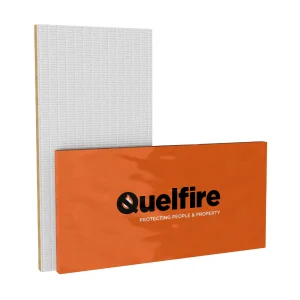
Quelfire QuelStop Fire Batt – 1200 x 600 x 50mm
£35.64 inc VAT Add to basket -
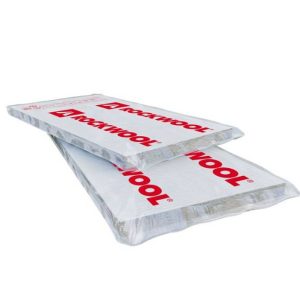
ROCKWOOL FirePro CB50 Ablative Coated Batt – 1200 x 600 x 50mm
£25.33 inc VAT Add to basket -

Protecta FR Board 60mm Fire Batt
£29.40 inc VAT Add to basket -

FIREFLY® FB180 Ablative Batt Wall System 60mm – 1200 x 600mm
£52.15 inc VAT Add to basket -
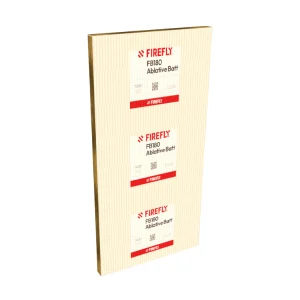
FIREFLY® FB180 Ablative Fire Batt 50mm – 1200 x 600mm
£40.92 inc VAT Add to basket -

Tenmat FF102/25 Open-State Ventilated Cavity Barrier – 1m
£16.13 inc VAT Add to basket -
Tenmat FF102/50 Open-State Ventilated Cavity Barrier – 1m
£25.86 inc VAT Add to basket -
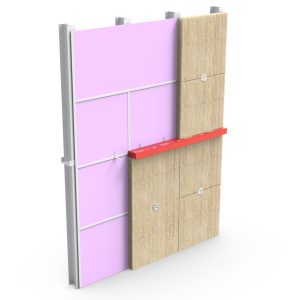
PFC Corofil COSB 25 Open-State Cavity Barrier
Add to basket
Learn More
Related Knowledge Hub Guides
Frequently Asked Questions
Frequently Asked Questions
Fire compartmentation divides a building into fire-resisting areas using elements such as walls, floors, doors and protected openings.
It helps restrict the spread of fire and smoke, supports protected routes and limits the area affected by a fire.
Unprotected service penetrations, damaged fire doors, incomplete wall or floor construction and poorly protected cavities can all affect compartmentation.
Yes. Fire stopping helps protect joints, gaps and service penetrations that pass through fire-resisting construction.
No. Cavity barriers are used within concealed cavities, while compartment walls are primary fire-resisting elements. Their functions are related but not identical.
From Guide to Product
Need help finding the right product range?
Browse the Products Hub or contact Fire Protection Direct if you need help finding products for a particular construction or application.
